Air Source Heat Pump Installation in Bristol
Replacing a gas boiler with an air source heat pump is a bigger job than a boiler swap, but a well-planned one. This page explains how it works in Bristol's mix of Georgian, Victorian and interwar homes, what it costs, and how to get it right.
Last reviewed: 2 October 2026
-
£7,500 grant
off the installed price through the Boiler Upgrade Scheme, or £9,000 if you're replacing oil or LPG.
-
3–5 days on site
for a typical Bristol terrace or semi, after a survey and design.
-
Built for mild winters
Bristol's climate lets heat pumps run efficiently for most of the heating season.
How an air source heat pump heats a Bristol home
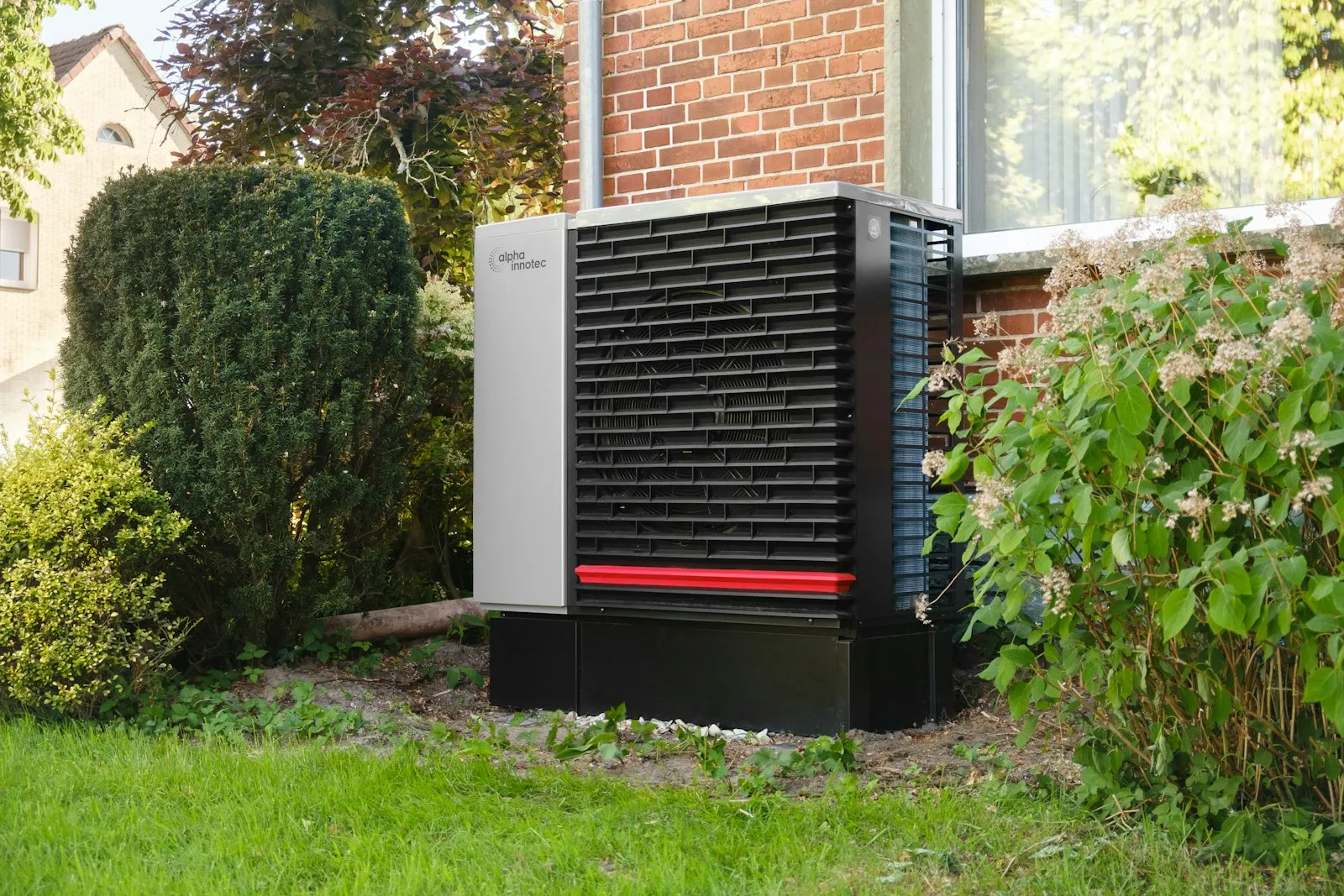
An air source heat pump sits outside and draws heat from the air, even on frosty days, then uses a compressor to raise it to a useful temperature for your radiators and hot water cylinder. For each unit of electricity it uses, a well-designed system delivers three to four units of heat.
The difference from a gas boiler is temperature. A heat pump works best sending water round the radiators at 45–50°C rather than 70°C, so some radiators may need to be larger. In Bristol's solid-walled stone and brick houses, getting the radiator sizing right is the heart of a good installation.
From first visit to switch-on
-
Survey
A surveyor measures every room, checks walls, windows, floors and loft, and records your radiators, pipework, electrics and possible unit positions. On Bristol's steep plots, access and siting get extra attention.
-
Design and quote
A room-by-room heat loss calculation sets the heat pump size, radiator changes and cylinder. The quote lists them and shows the grant as a deduction.
-
Consent if needed
Most installations are permitted development. Listed homes, and front-facing units in Bristol's 33 conservation areas, need consent first.
-
Grant voucher
The installer applies to Ofgem; you confirm by email; a voucher is issued.
-
Installation
Three to five days: outdoor unit and base, cylinder, radiators, pipework, electrics and controls.
-
Commissioning
The system is filled, tested and tuned, registered with MCS, and handed over with a walk-through of the controls.
The installation day by day guide follows a Bishopston terrace through the week.
What installation costs in Bristol
Most Bristol installations cost £8,000–£14,000 before the grant. After £7,500 comes off, most households pay £500–£6,500. Newer homes with cavity insulation sit at the lower end; solid-walled stone townhouses in Clifton and Cotham, with tall rooms and several radiator upgrades, at the upper end.
See costs and grants for running costs and payback, and prices by house type for the detail.
Bristol homes and what they need
| Home | Typical heat pump | Usual extra work |
|---|---|---|
| Georgian or Regency stone townhouse | 11–14 kW | Many radiator upgrades; listed building consent likely |
| Victorian Pennant-stone or brick terrace | 6–8 kW | 3–5 radiators; new cylinder if you have a combi |
| Interwar semi | 7–8 kW | 1–3 radiators; often an existing cylinder cupboard |
| Newer house or flat | 4–7 kW | Little beyond the cylinder |
Our guides to Victorian and Georgian homes and sizing go into more depth.
Local factors a good design accounts for
- Hard water. Bristol Water's limestone-fed supply is moderately hard to very hard, so the cylinder should have a heat pump-rated coil, and a scale reducer may be worthwhile.
- Slopes and access. Terraced gardens and rear lanes can affect where the unit goes and how it gets there.
- Conservation areas. About 30% of the city is covered by conservation areas; keep the unit off walls facing the road to stay within permitted development.
- Noise. In close-packed terraces, the unit must calculate at 37 dB(A) or less at the neighbour's nearest window.
What to expect from any installer
Whoever fits your heat pump should be MCS-certified (required for the grant), belong to a consumer code (RECC or HIES), carry out a room-by-room heat loss survey, and give you a written design. Popular brands fitted in Bristol include:
Our installer guide lists the questions worth asking.
- Vaillant aroTHERM plus
- Mitsubishi Electric Ecodan
- Daikin Altherma
- Samsung EHS
- Grant Aerona
- Worcester Bosch
Installation questions
Can a heat pump heat an old Bristol stone house?
Yes, when it's designed from a proper heat loss survey with suitably sized radiators. Draught-proofing and loft insulation help, but solid-wall insulation isn't required.
How long does installation take?
Usually three to five days on site, after a survey and design. The whole process from survey to switch-on is typically six to ten weeks, longer if planning consent is needed.
Will I need planning permission?
Usually not. You will if your home is listed, or if it's in a conservation area and the unit would face the road.
Do I need a hot water cylinder?
Yes. If you currently have a combi boiler, a cylinder of around 180–250 litres will be fitted.
What's the difference between monobloc and split systems?
A monobloc unit keeps all the refrigerant in the outdoor unit and sends heated water indoors; a split system runs refrigerant pipes into the house. Most UK home installations are monobloc.
Is ground source better than air source?
Ground source can be slightly more efficient but costs far more and needs land for trenches or a borehole. For most Bristol homes, air source is the practical choice. Both get the same £7,500 grant.
Get a quote for heat pump installation in Bristol
Tell us about your home and current heating. A local heat pump installer from our network will be in touch to arrange a survey.